

Irritable Bowel Syndrome or “IBS” is a chronic functional gastrointestinal tract condition. It shares commonalities with both food intolerance and food sensitivity in that IBS symptoms can be triggered by certain foods.
A study in 2014 estimated that up to 11% of the world’s population is affected by IBS. And yet there is likely a higher prevalence of the condition that is not being reported.
Irritable Bowel Syndrome is commonly referred to as a “functional” syndrome due to the lack of structural damages to the body. An IBS diagnosis is given after testing rules out serious bowel disease.
Despite being a common condition around the world, Irritable Bowel Syndrome is still poorly understood. There are often discrepancies between mainstream medical literature and literature from complementary healthcare professions on how to treat the condition.

Common Symptoms of IBS
The symptoms of IBS are characterized by a host of uncomfortable and recurring symptoms such as:
- abdominal cramping/pain
- bloating and excess gas
- diarrhea and or constipation
- painful bowel movements
- rectal pain
Risk Factors of IBS:
A number of mechanisms are at play in irritable bowel syndrome which contributes to its cause and therefore greatly impacts its treatment.
Inflammation as a Cause of IBS
Some evidence points to low grade inflammation as a cause of IBS. It is thought that even a common stomach virus like gastroenteritis can set in motion a cascade of inflammatory processes in the body. These processes contribute to abdominal cramping, pain and diarrhea. In a small percentage of individuals the inflammatory process can persist long after the infection is gone presenting in the chronic patterns of IBS.
Dysbiosis of the Microbiome
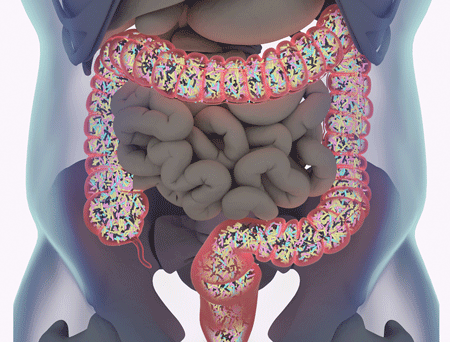
There are 100 trillion microbial communities in the body called the microbiome. These microbes help regulate metabolism, recycle hormones present in the digestive tract, and assist in our immunity. A healthy microbiome enhances protective mucus of the gut lining and reduces inflammation.
A disruption in the healthy balance of the microbiome is called dysbiosis. Connections have been established between this microbial dysbiosis and IBS.
IBS and Leaky Gut
IBS sufferers tend to have unhealthy strains of microbes that can disrupt the delicate intestinal barrier, leading to intestinal hyperpermeability or “leaky gut“.
When the gut lining becomes hyperpermeable or “leaky,” signals from the gut to the brain can be altered, changing neuroimmune and neuroendocrine output. It literally disrupts gut-brain and brain-gut communication. This can disrupt serotonin produced in the gut and in many people, is closely related to depression. Studies have shown that IBS patients do well with cognitive behavioural therapy, hypnotherapy and antidepressant medication.
IBS and the Digestive System
The digestive system has its own independent and immensely complex nervous system called the enteric system. It is a communication network for the digestive system to communicate with itself. For example, if you have to go to the bathroom five minutes after eating a meal, the food didn’t “go through you.” Rather, this is the gastro-colic reflex signalled by the enteric nervous system.
In IBS, this reflex seems to be altered and often exaggerated leading to abnormal motility. Not only is an IBS sufferer constantly going to the bathroom, but nutrient absorption may also be poor.
FODMAPs and The Effects on IBS
IBS is difficult to treat with sufferers trying to narrow down foods that create problematic symptoms. Research done at the Monash University in Melbourne, Australia has shown promise. Researchers have identified a large group of sugar culprits known as FODMAPs.
This stands for fermentable oligosaccharides, disaccharides, monosaccharides and polyols.

These short chain carbohydrates may be poorly absorbed by the small intestine and then fermented by the large intestine to produce gas. It is now accepted that an excess of FODMAPs in the diet may be an IBS trigger.
People with IBS inefficiently break down FODMAP sugars in the digestive process. These sugars pass into the large intestine causing a lot of bowel gasses to be formed and uncomfortable bloating. It tends to draw water into the bowel and cause bloating, cramps and diarrhea.
Foods High in FODMAPs
- Oligosaccharides: Fructans (garlic, onions, wheat, rye, legumes, beans, chickpeas, cashews, lentils, etc)
- Disaccharides: Lactose (milk, cheese, ice cream, custard, yoghurt)
- Monosachharides: Fructose (watermelon, apples, mango, asparagus, fruit juices, pear, honey, etc)
- Polyols: artificial sweeteners like sorbitol (ie. Splenda) and mannitol (ie. Osmitrol).
Controlling IBS Symptoms Through Diet
During an IBS flare-up, sufferers can often control symptoms by following a FODMAP free diet for a short period of time, then slowly re-introducing a broader spectrum of foods.
The list of high FODMAP foods is extensive so a good food guide app is recommended to help navigate. Monash University FODMAP Diet app is an excellent resource that can help you figure out what foods (and the quantities of that food) that are safe to consume.

You may also peruse the recipe page on this site to get low-FODMAP meal inspiration.


